More Than Football: How Our Training Builds Leaders On and Off the Field

When people think about football, they often think about speed, strength, and competition. Those things matter, but they are not the whole story. For many young athletes, sports are also among the first places where they learn to lead, take responsibility, and work with others.
That matters because leadership is not something young people grow into on their own. It has to be practiced. It has to be modeled. It has to be reinforced through real experiences that teach discipline, accountability, and teamwork over time.
At Gridiron Home, youth football training is about more than athletic development. It is a structured space where boys and girls can build habits that help them on the field, in the classroom, at home, and in the community.
Through coaching, mentorship, and a clear set of expectations, athletes learn that leadership is not about being the loudest voice or the most talented player. It is about showing up, doing the work, and helping others do the same.
What Leadership Looks Like in Youth Sports
In youth sports, leadership is often misunderstood. Many people picture the team captain, the best player, or the athlete who stands out the most. But real leadership is usually much quieter and more consistent than that.
Leadership can look like encouraging a teammate after a hard practice. It can mean listening to a coach, staying focused, and setting a strong example during drills. It can show up in how a young athlete handles disappointment, accepts correction, or keeps working when something feels difficult.
For youth athletes, leadership starts with simple actions repeated over time. It grows when they learn to:
- Lead by example
- Encourage others
- Stay accountable for their actions
- Respond to challenges with maturity
- Put the team ahead of individual attention
These habits matter because they shape character. A young person who learns how to be dependable in sports is also learning how to be dependable in other parts of life. A young person who learns how to support teammates is also learning how to contribute in school, at home, and in future workplaces.
That is one reason youth leadership development matters so much. It is not only about helping kids succeed in sports. It is about giving them tools they can carry with them long after the season ends.
Building Accountability Through Training
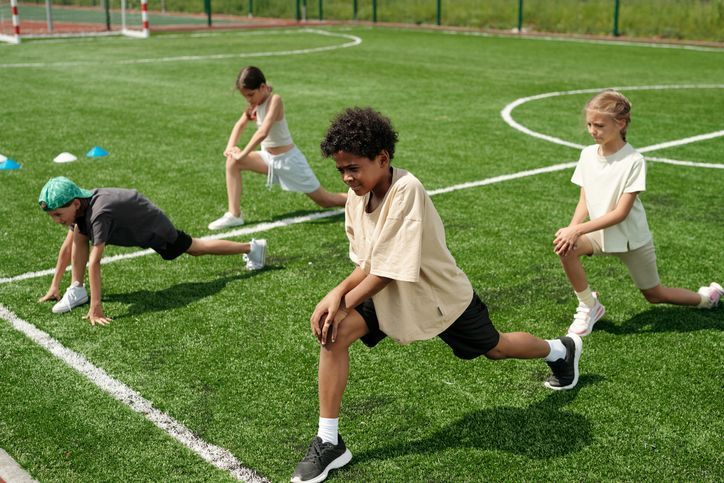
Accountability is one of the most important lessons youth sports can teach. In a structured program, young athletes begin to understand that their actions affect not only themselves but also the people around them.
Showing up late, coming unprepared, or losing focus during training does not just impact one player. It can affect the pace of practice, the quality of the group’s work, and the trust between coaches and teammates. On the other hand, showing up on time, being ready to learn, and following through on responsibilities helps build confidence and consistency.
At Gridiron Home, youth football training provides athletes with opportunities to practice accountability in practical ways. That includes:
Showing up on time and prepared
Being present and ready sends an important message. It shows respect for the program, the coaches, and fellow athletes. It also teaches young people that preparation matters.
Following through on responsibilities
Whether it is completing a drill, listening during instruction, or giving full effort in practice, follow-through helps young athletes understand the value of commitment.
Owning mistakes and learning from them
Mistakes are part of growth. Accountability means not making excuses when something goes wrong. It means learning how to accept correction, adjust, and keep moving forward.
Practicing respect
Respect for coaches, teammates, and self is part of accountability, too. Young athletes learn that how they communicate, respond, and carry themselves all matter.
These are not just sports lessons. They are life lessons. Accountability helps young people build trust with others. It helps them understand the connection between choices and outcomes. It teaches them that growth often comes from consistency, not perfection.
The Role of Teamwork in Leadership Development
Leadership and teamwork are closely connected. In fact, one of the clearest signs of leadership in youth sports is the ability to work well with others.
Football is not a sport where one person can do everything alone. Players depend on one another. They learn to communicate, trust the process, and play their role with the larger goal in mind. That experience teaches an important truth. Strong leaders are not only focused on themselves. They understand how to contribute to a group.
Teamwork helps young athletes learn how to:
- Listen and communicate clearly
- Support peers during challenges
- Stay focused on shared goals
- Respect different strengths and roles
- Understand that success takes collective effort
These lessons can shape the way young people interact outside of sports, too. They learn how to be better classmates, better friends, and better community members. They begin to understand that leadership is not about control. It is about service, example, and shared responsibility.
In that way, youth sports in Western Pennsylvania and beyond can do much more than build athletic ability. They can help young people develop the social and personal skills they need to grow into confident, responsible adults.
The Gridiron Home Approach
What makes Gridiron Home different is that the focus goes beyond performance. The mission is rooted in mentorship, opportunity, and personal growth.
Gridiron Home uses football as a tool to help young people develop leadership habits in a supportive setting. That approach includes several core elements.
Free and accessible programs
Access matters. When programs are free and open, more young people have the chance to participate, grow, and benefit from consistent structure and mentorship. Removing barriers creates more opportunities for youth and families.
The E.D.G.E. Philosophy
Gridiron Home’s E.D.G.E. philosophy stands for Effort, Discipline, Grit, and Execution. These values support both athletic and personal development.
- Effort teaches young athletes to give their best consistently
- Discipline helps them build habits and self-control
- Grit helps them keep going when things get hard
- Execution reinforces the importance of applying what they learn
Together, these values create a framework for leadership. They help athletes understand that growth comes from intentional action over time.
Mentorship-driven coaching
Coaching matters, but mentorship matters too. When young people are surrounded by adults who guide, encourage, and hold them accountable, they gain more than technical instruction. They gain role models. They see what leadership looks like in practice.
An inclusive environment for boys and girls
Leadership development should be available to all young people. An inclusive environment makes it possible for boys and girls to learn, grow, and participate in a setting that values effort, respect, and opportunity.
This mentorship-first model reflects a broader purpose. It is not just about helping athletes improve in football. It is about helping them build the character and confidence to lead in everyday life.
The Impact Beyond the Field
The lessons young athletes learn through football do not stay on the field. They carry into other parts of life.
A young person who learns to stay accountable in training may begin to show more responsibility at home. An athlete who learns how to work through challenges with teammates may become more confident in the classroom. A child who experiences steady mentorship may begin to see new possibilities for their future.
That is why nonprofit youth sports programs can have such a meaningful role in a community. They offer more than activity. They offer structure, guidance, and positive relationships. They create spaces where young people can practice leadership in real time and begin building habits that serve them for years to come.
For parents, educators, coaches, and community partners, that kind of development matters. It supports not only individual growth, but also stronger families and stronger communities.
How to Get Involved
Gridiron Home’s mission depends on people who believe in the value of youth leadership development and are willing to invest in it.
There are several ways to support that work:
- Enroll in programs
- Families who are looking for youth football training in a mentorship-driven environment can explore available programs and opportunities to participate.
- Volunteer as a mentor or coach
Young athletes benefit from adults who are present, consistent, and willing to lead by example. Volunteers can help create the kind of environment where growth happens.
Donate to support free access
Free and accessible programs require community support. Donations can help Gridiron Home continue providing opportunities for youth and families.
Partner with Gridiron Home
Schools, community groups, local organizations, and supporters can help expand access and strengthen the impact of youth sports in Western Pennsylvania.
Learn How You Can Support Our Mission
Football can teach much more than physical skills. In the right environment, it can help young people learn how to lead, take responsibility, and work with others in meaningful ways.
At Gridiron Home, youth football training is a vehicle for growth. Through mentorship, accountability, teamwork, and the E.D.G.E. philosophy, athletes are given the chance to build habits that matter on and off the field.
That kind of leadership development does not happen all at once. It is built through consistent action, guided support, and a community that believes in the potential of its young people. When families, mentors, coaches, and partners come together around that mission, the impact can reach far beyond sports.
Gridiron Home is helping create that kind of environment, one athlete and one lesson at a time. For more information on volunteering, contact us today!