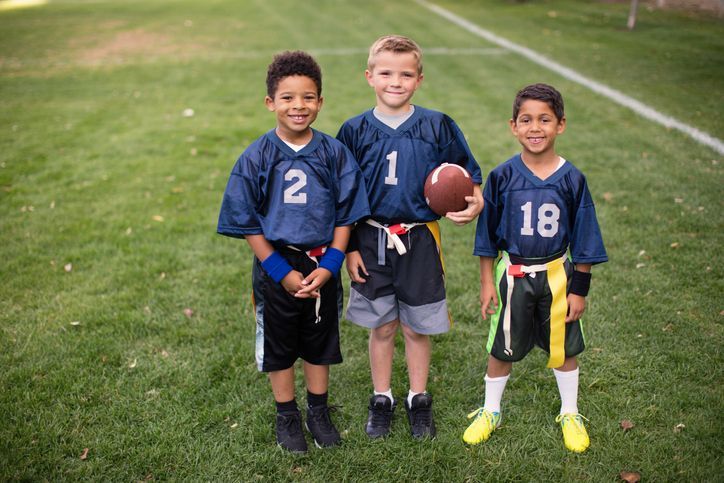
Why Summer Training Is About Consistency, Not Burnout
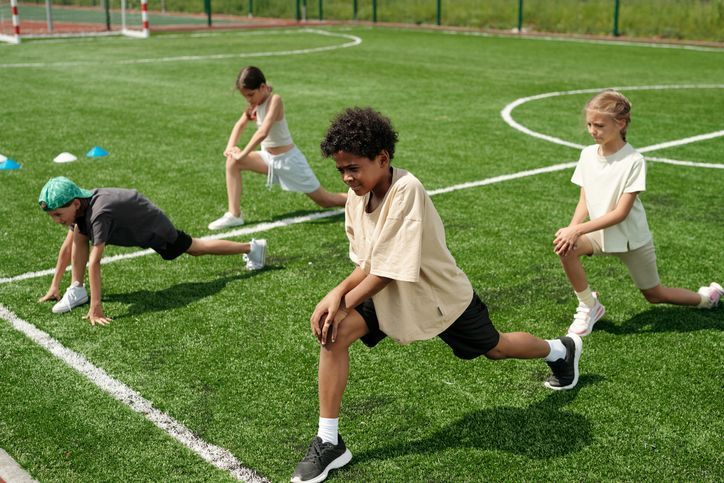
Summer gives young athletes more time to practice, stay active, and prepare for the next school year or football season. It can also be an important period for personal growth. With the right guidance, young people can build confidence, strengthen routines, and develop habits that support them in sports, school, and daily life.
That growth does not require constant workouts or daily intense training. Young athletes often benefit more from a balanced approach that allows them to improve gradually while still having time to rest, enjoy family activities, and be kids.
At Gridiron Home, we believe youth football development should focus on the whole person. Football provides structure, but the lessons extend beyond the field. Consistent training can help young people learn discipline, accountability, perseverance, teamwork, and respect.
Long-term development is built through healthy routines, supportive mentorship, and steady effort, not burnout.
Why Consistency Beats Intensity
An occasional difficult workout may challenge an athlete, but lasting improvement usually comes from repeating healthy habits over time.
Consistent summer training gives young athletes opportunities to practice proper techniques, understand expectations, and become more comfortable with new skills. Instead of trying to accomplish everything in one session, athletes can focus on making small improvements each week.
A healthy routine can include scheduled practices, warmups, skill development, conditioning, hydration, recovery, and time away from organized sports. When young athletes know what to expect, they can focus on learning rather than feeling pressure to prove themselves in every workout.
Consistency also teaches athletes that progress is not always immediate. Strength, coordination, confidence, and decision-making can develop at different rates, especially as children grow.
A healthy youth football development program recognizes those differences. Coaches and mentors can help each athlete focus on individual growth while continuing to contribute to the team.
Small improvements may not always feel exciting, but they create a lasting foundation.
Preventing Burnout in Young Athletes
Burnout can occur when sports begin to feel like a constant obligation rather than an enjoyable and meaningful activity. Young athletes may lose motivation when they are overscheduled, face unrealistic expectations, or do not receive enough recovery time.
Summer schedules can become especially demanding when athletes participate in several camps, practices, leagues, and individual workouts. Staying active can be positive, but more training is not always better.
Rest is part of development. It gives the body time to recover and allows young people to return to practice with greater focus. Breaks also make room for family time, friendships, hobbies, and other experiences that contribute to healthy growth.
Parents and coaches should pay attention when a young athlete seems unusually tired, frustrated, uninterested, or overwhelmed. These signs do not necessarily mean the athlete lacks commitment. They may indicate that the schedule needs to be adjusted.
At Gridiron Home, balance is part of our mission. As a youth sports nonprofit serving Pittsburgh and Western Pennsylvania, we want young people to build a positive relationship with physical activity, teamwork, and personal responsibility. The goal is to help them develop habits that support long-term participation and personal growth.
Building Mental Resilience Through Routine
Summer training develops more than physical skills. It also gives young athletes opportunities to practice patience, manage frustration, and respond to setbacks.
An athlete may struggle with a drill, make a mistake, or need more time to understand a new responsibility. In a supportive environment, those moments can become valuable learning experiences.
Coaches and mentors can help athletes reflect on what happened, identify what they can control, and try again with a clear plan. Over time, this process can build confidence and emotional resilience.
The same lessons apply away from football. A student who learns to keep working after a difficult practice may become more willing to ask for help with a challenging class. A young person who learns to accept feedback may become a better teammate, friend, or leader.
Through our football mentorship programs, Gridiron Home encourages athletes to see effort as a daily choice. Confidence does not come only from winning. It also grows when young people show up, follow through, support others, and learn from mistakes.
Safe Training Supports Healthy Development
Young athletes need training that matches their age, experience, and stage of development. Summer programs should introduce new challenges gradually rather than increasing activity too quickly.
Safe, structured training can include proper warmups, clear instructions, scheduled water breaks, recovery time, and positive coaching. Athletes should understand why they are completing a drill and how to perform it correctly.
Weather is also an important consideration during summer activities. Coaches should monitor conditions, provide regular hydration opportunities, and adjust practices when needed. Families can help by making sure athletes arrive with water, appropriate clothing, and enough time to rest between activities.
Safety is not separate from improvement. Young people are often more willing to learn when they feel supported and understand what is expected of them. A positive environment allows athletes to ask questions, make mistakes, and develop confidence without unnecessary pressure.
Gridiron Home approaches youth athlete development with care because participation should support a young person’s well-being.
Coaches, Parents, and Mentors Set the Tone
Young athletes look to adults for guidance. The attitudes of coaches, parents, guardians, and mentors can shape how athletes view practice, competition, success, and failure.
Adults can support healthy summer training by celebrating effort, preparation, and improvement rather than focusing only on outcomes. They can also encourage athletes to speak honestly when they are tired, discouraged, or unsure about a training expectation.
Supportive adults help young people understand that rest is responsible, not lazy. They model how to respond calmly to setbacks and remind athletes that one difficult practice does not define their ability.
Collaboration is also important. When coaches and families communicate, they are better able to understand an athlete’s schedule, needs, and progress.
As a youth sports nonprofit in Pittsburgh, Gridiron Home depends on coaches, volunteers, families, donors, and community partners who believe in mentorship and whole-child development.
Investing in the Whole Athlete
Football is the vehicle, but personal development is the larger goal.
Through community-based youth sports, young people can learn to arrive prepared, follow instructions, fulfill responsibilities, and contribute to a group. They can practice leadership while also learning when to follow someone else’s direction.
These experiences help develop discipline, teamwork, respect, accountability, and confidence. Those qualities can support young people in classrooms, future workplaces, family relationships, and leadership roles.
Gridiron Home’s mission is centered on youth development through sports. We want participants to become stronger athletes and grow into dependable students, thoughtful teammates, and confident young leaders.
Community support helps make those opportunities available. Donations, volunteer involvement, and partnerships allow Gridiron Home to provide structured programs and trusted mentorship to more youth throughout Pittsburgh, Westmoreland County, and Western Pennsylvania.
Healthy Habits Last Beyond Summer
A productive summer does not need to leave a young athlete exhausted. It should help them enter the next season with stronger routines, greater confidence, and a better understanding of how to care for themselves and support their teammates.
Consistency teaches athletes that progress comes from showing up, practicing with purpose, accepting guidance, and returning after setbacks. Balance reminds them that recovery, family time, and enjoyment are also part of a healthy life.
Gridiron Home remains committed to helping young people grow through football, mentorship, and community support. Families can learn more about our youth football and mentorship programs, while supporters can help expand youth development in Western Pennsylvania through donations and community partnerships.
Together, families, coaches, mentors, donors, and community partners can create an environment that encourages young people to learn, lead, and grow on and off the field.
Contact Gridiron Home today to learn more about our programs or donate today to help continue our mission.